Stroke Recovery and Pilates
A Supportive Approach to Rehabilitation
Stroke rehabilitation is often a long and challenging process that affects physical
movement, balance, coordination, and emotional well-being. Many stroke survivors
experience weaknesses on one side of the body, difficulty walking, muscle stiffness,
fatigue, and reduced confidence in movement. While traditional physical and
occupational therapy remain essential components of recovery, Pilates has emerged as
a valuable complementary exercise method for improving strength, balance, posture,
and quality of life in individuals recovering from stroke.
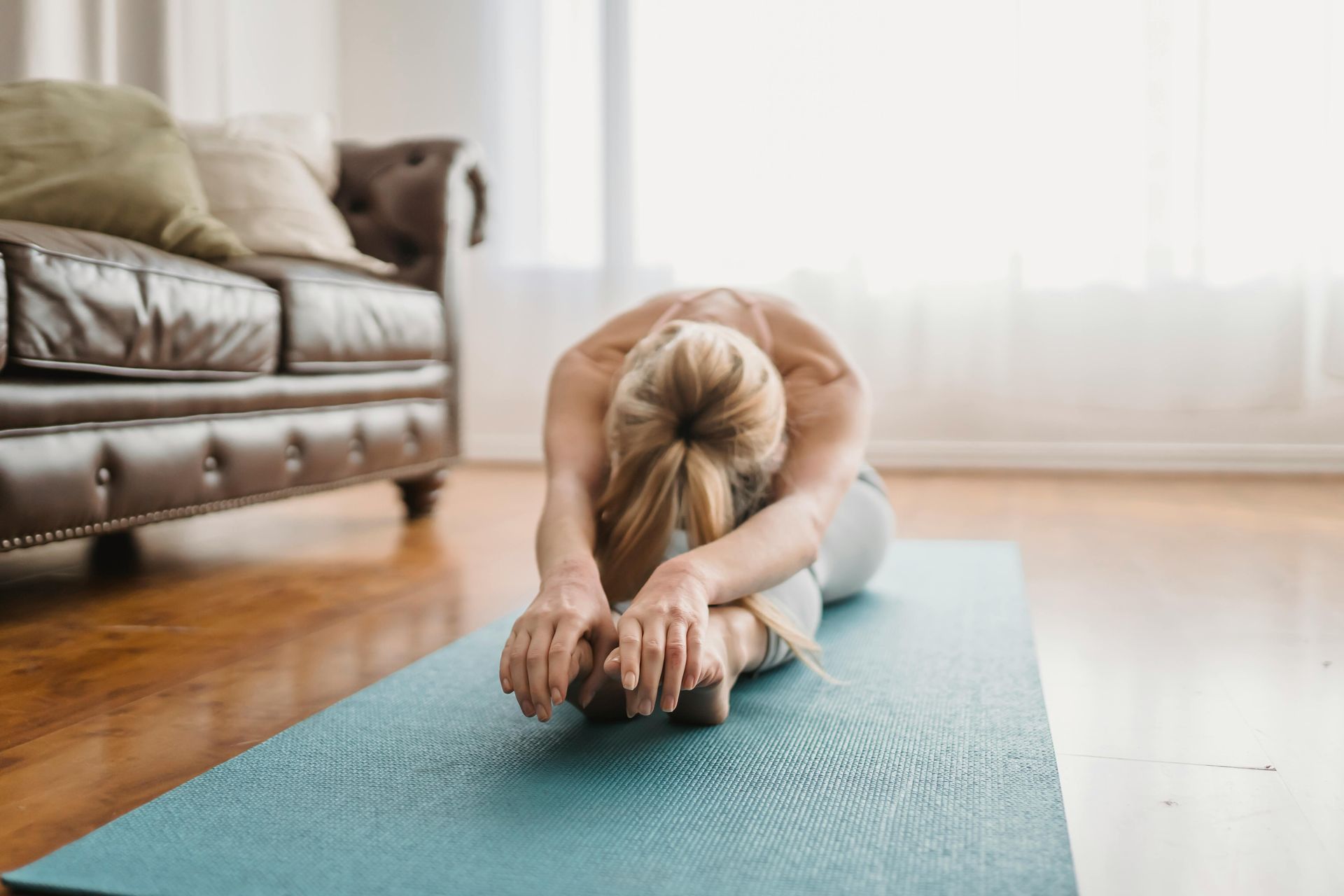
Pilates is a low-impact form of exercise that focuses on controlled movement, breathing,
core stability, alignment, and body awareness. For stroke survivors, these principles can
help retrain movement patterns and improve neuromuscular control. Because Pilates
exercises can be modified for seated, standing, or supported positions, it is often
adaptable for individuals with varying levels of mobility and neurological impairment.
Research suggests that Pilates-based rehabilitation may help improve static and
dynamic balance, walking ability, and overall functional mobility in chronic stroke
patients.
One of the greatest benefits of Pilates in stroke recovery is its emphasis on core
stabilization and postural control. After a stroke, weakened trunk muscles often
contribute to poor balance and difficulty performing daily activities safely. Pilates
exercises strengthen the deep abdominal and spinal muscles that support posture and
movement. Improved trunk control can help stroke survivors sit, stand, transfer, and
walk with greater confidence and stability. Studies have shown that Pilates training
programs lasting approximately 8 weeks significantly improved balance and gait
performance in individuals with chronic stroke.
Beyond physical improvements, Pilates may also positively influence emotional health
and quality of life. Stroke survivors commonly experience anxiety, depression,
frustration, and loss of independence during recovery. The mindful breathing,
concentration, and gradual progression used in Pilates may help reduce stress while
promoting a sense of accomplishment and body awareness. Research involving chronic
stroke patients found significant improvements in physical, psychological, and social
quality-of-life measures following participation in structured Pilates programs.
Although Pilates can be highly beneficial, safety and supervision are extremely
important. Exercises should be adapted to the individual’s functional abilities and
medical condition. Stroke survivors should work with qualified rehabilitation
professionals or Pilates instructors experienced in neurological conditions.
Pilates should never replace prescribed rehabilitation therapies but may serve as an effective
supplement to improve long-term recovery outcomes. As research continues to grow,
Pilates is increasingly recognized as a supportive and evidence-based approach that
can enhance movement, independence, and overall well-being after stroke.
References
1. Cronin E, et al. What are the effects of Pilates in the post-stroke population? A systematic review
and meta-analysis. Clinical Rehabilitation. 2023.
2. Lim HS, Yoon S. The effects of Pilates exercise training on static and dynamic balance in chronic
stroke patients. Journal of Physical Therapy Science. 2016.
3. Yun SM, et al. Influence of Pilates training on the quality of life of chronic stroke patients. Journal
of Physical Therapy Science. 2017.
4. García-Bravo C, et al. Effects of Neuropilates on Functional Outcomes in Chronic Neurological
Conditions. Healthcare. 2024.
5. Kiefer K, et al. The effects of the Pilates method in individuals after stroke: A systematic review
with meta-analysis. MTP & Rehabilitation Journal. 2023.







New Paragraph