National Folic Acid Awareness Week: A Small Vitamin with a Powerful Impact
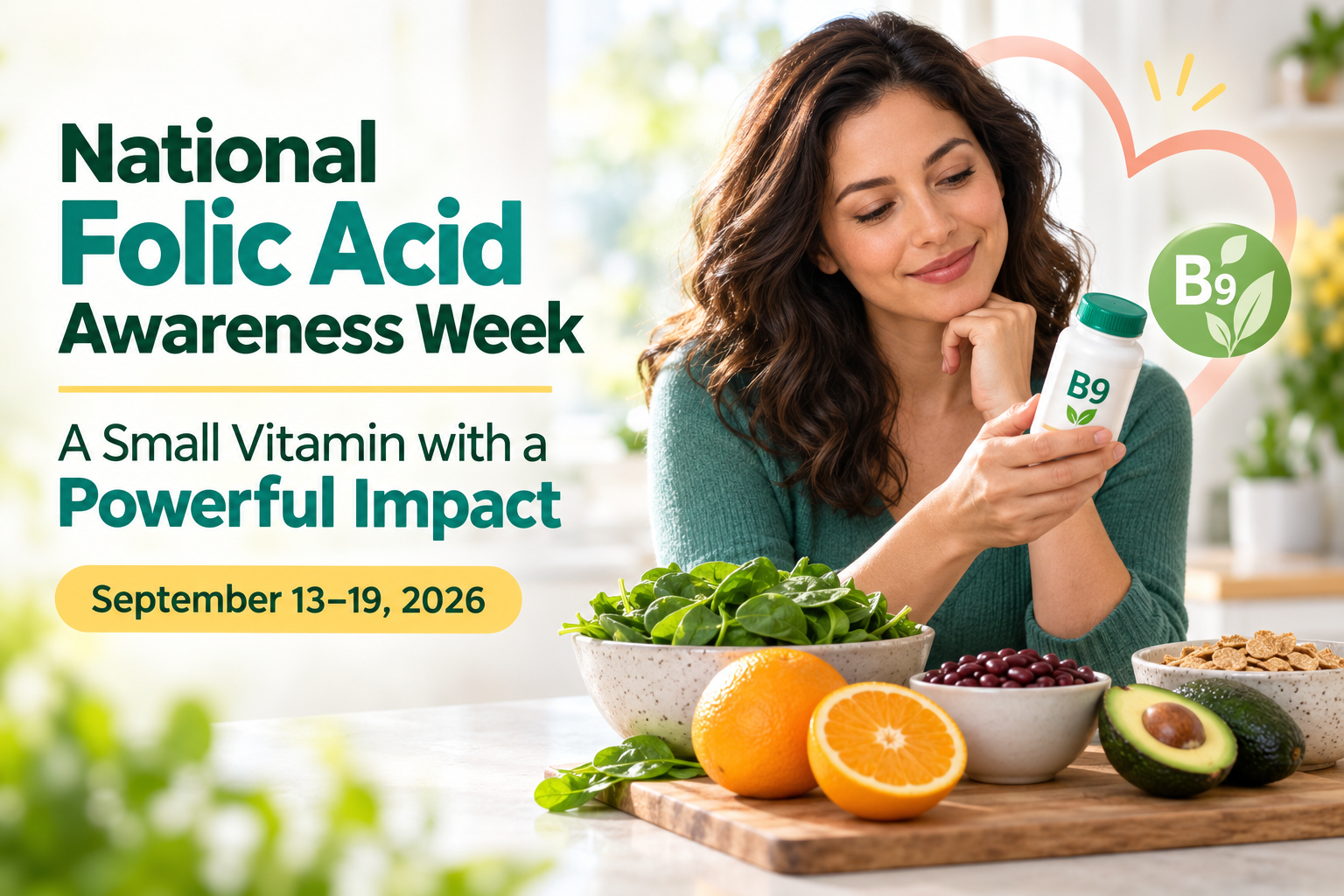
Each year, National Folic Acid Awareness Week brings attention to one of the simplest steps people can take to support a healthy pregnancy and reduce the risk of certain serious birth defects. In 2026, the observance is recognized September 13–19.
Folic acid is the synthetic form of folate, also known as vitamin B9. Folate plays an essential role in helping the body make new cells, including blood, brain, skin, hair, and nail cells. Although everyone needs folate, folic acid is especially important for people who may become pregnant because of the critical role it plays during the earliest weeks of fetal development.
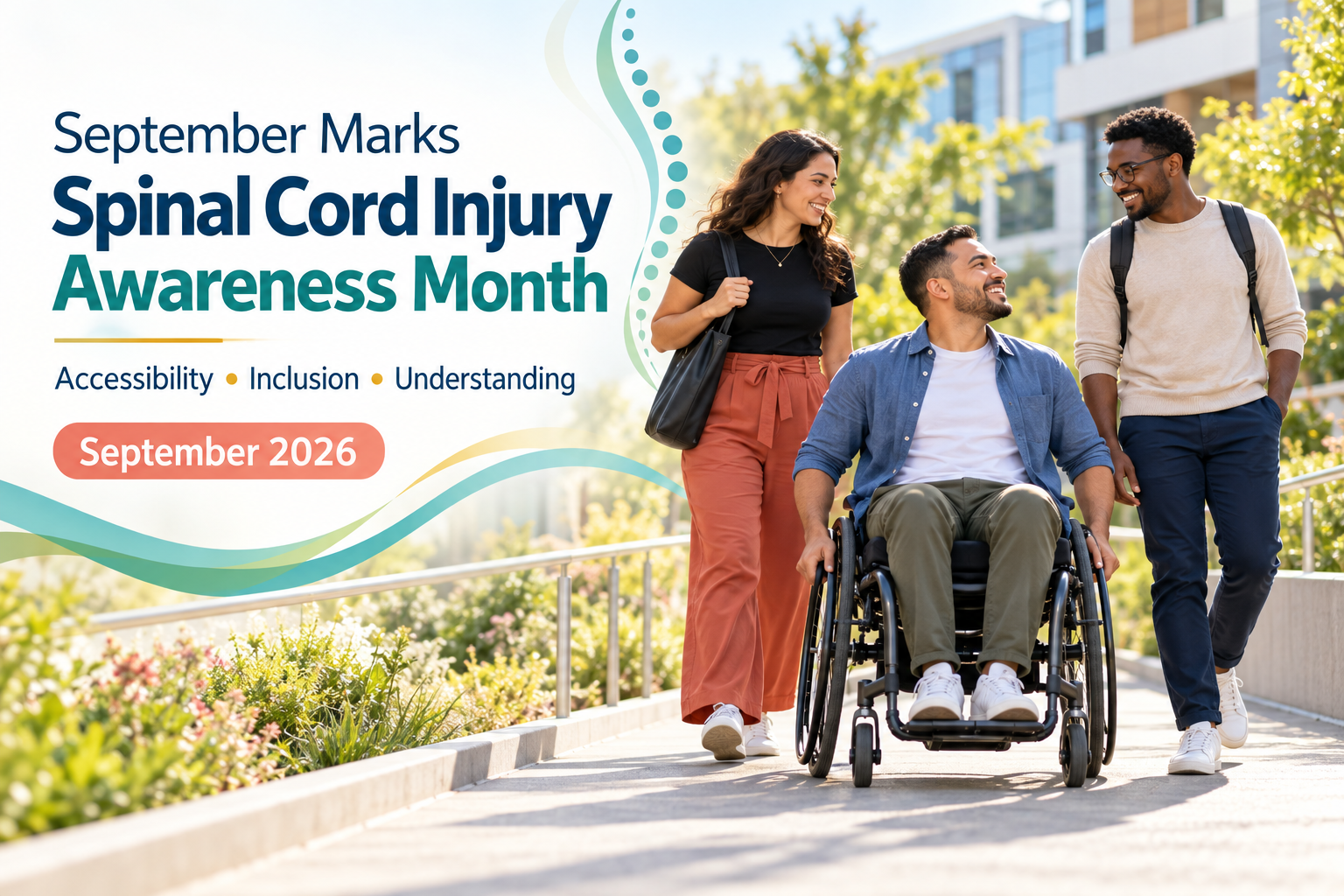
One of the most important benefits of folic acid is its ability to help prevent neural tube defects. These are serious birth defects involving the developing brain and spinal cord. Two of the best-known neural tube defects are spina bifida, which affects the spine, and anencephaly, which affects the brain and skull.
What makes folic acid awareness especially important is timing. The neural tube begins forming and closing during the third and fourth weeks of pregnancy. At that point, many people may not yet realize that they are pregnant. For that reason, the Centers for Disease Control and Prevention recommends that all women who are capable of becoming pregnant get 400 micrograms of folic acid every day, rather than waiting until pregnancy is confirmed.
Folic acid can be obtained in several ways. It is commonly included in multivitamins and prenatal vitamins and is also added to many fortified foods. These may include enriched bread, pasta, rice, breakfast cereals, flour, and some corn masa products. Naturally occurring folate can also be found in foods such as leafy green vegetables, beans, peas, oranges, and other fruits.
However, naturally occurring folate and folic acid are not the same. Folic acid is more stable than many forms of food, folate and is the form that has been shown through research to help prevent neural tube defects. Eating a nutritious diet remains important, but fortified foods or a vitamin containing folic acid can help ensure that the recommended daily amount is reached. Folic acid also serves important functions beyond pregnancy. Because folate is necessary for DNA production, cell division, and the creation of new cells, adequate intake is important throughout life.
For some individuals, the recommended amount of folic acid may be different. People who previously had a pregnancy affected by a neural tube defect, take certain medications, or have medical conditions may be advised by a healthcare professional to take a higher amount. Higher doses should be discussed with a physician or other qualified healthcare provider rather than started independently.
National Folic Acid Awareness Week is ultimately about education and prevention. Many pregnancies are unplanned, and the development that folic acid helps protect occurs very early. Making adequate folic acid intake part of everyday nutrition helps provide protection before pregnancy even begins. A vitamin measured in micrograms may seem insignificant, but its impact can be enormous.
This National Folic Acid Awareness Week, the message is simple: learn about folic acid, check food and vitamin labels, and understand why getting enough of this essential nutrient every day can make such an important difference.
Centers for Disease Control and Prevention. (2026). About folic acid. https://www.cdc.gov/folic-acid/about/index.html Centers for Disease Control and Prevention. (2026). Folic acid: Sources and recommended intake. https://www.cdc.gov/folic-acid/about/intake-and-sources.html Centers for Disease Control and Prevention. (2025). Neural tube defects. https://www.cdc.gov/birth-defects/about/neural-tube-defects.html Centers for Disease Control and Prevention. (2026). Folic acid: Facts for clinicians. https://www.cdc.gov/folic-acid/hcp/clinical-overview/index.html National Birth Defects Prevention Network. (2026). National Folic Acid Awareness Week. https://nbdpn.org/national-folic-acid-awareness-week/ National Birth Defects Prevention Network. (2026). Resources: National Folic Acid Awareness Week. https://nbdpn.org/resources/


New Paragraph