World Mental Health Day: Breaking the Stigma and Making Mental Health a Priority
Oct. 10, 2026 — World Mental Health Day
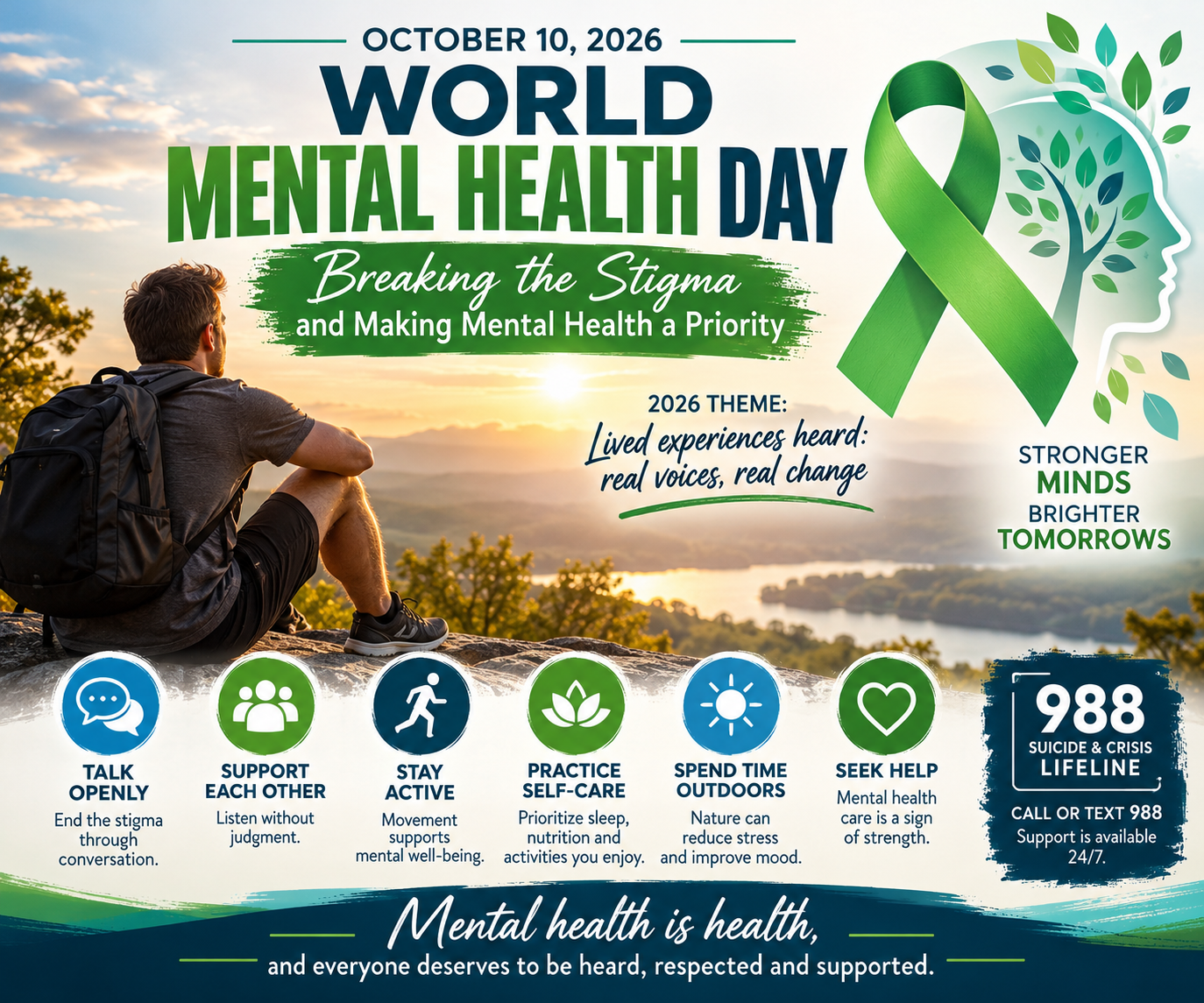
Every year on October 10, World Mental Health Day brings attention to one of the most important yet frequently overlooked aspects of overall health: mental well-being. The international observance encourages conversations about mental illness, challenges long-standing misconceptions and emphasizes the importance of accessible mental health care. The World Health Organization's 2026 campaign, "Lived experiences heard: real voices, real change," highlights the importance of including people who have experienced mental health conditions in decisions about treatment, services and public policy. The message reinforces a fundamental principle: Mental health care should be shaped not only by medical professionals and policymakers but also by the individuals whose lives are directly affected.
Mental health conditions affect people of every age, background and socioeconomic status. According to the World Health Organization, approximately 1.2 billion people worldwide were living with a mental disorder in 2023, representing nearly one in seven people. Anxiety and depression are among the most common conditions. Mental health disorders can interfere with relationships, employment, education, physical health and overall quality of life. Despite advances in treatment and awareness, millions of people continue to face barriers to receiving appropriate care. Financial limitations, inadequate insurance coverage, shortages of mental health professionals and social stigma can prevent individuals from seeking treatment.
One of the greatest obstacles to improving mental health outcomes is the stigma associated with psychological disorders. For generations, mental illness has been misunderstood, minimized or incorrectly associated with personal weakness. These misconceptions can lead individuals to conceal symptoms rather than seek assistance. Depression, anxiety disorders, post-traumatic stress disorder and other mental health conditions are legitimate health concerns that deserve the same attention and compassion as physical illnesses. Open conversations about mental health can help normalize treatment, encourage early intervention and reduce feelings of shame and isolation. Listening without judgment is an important first step in building supportive communities.
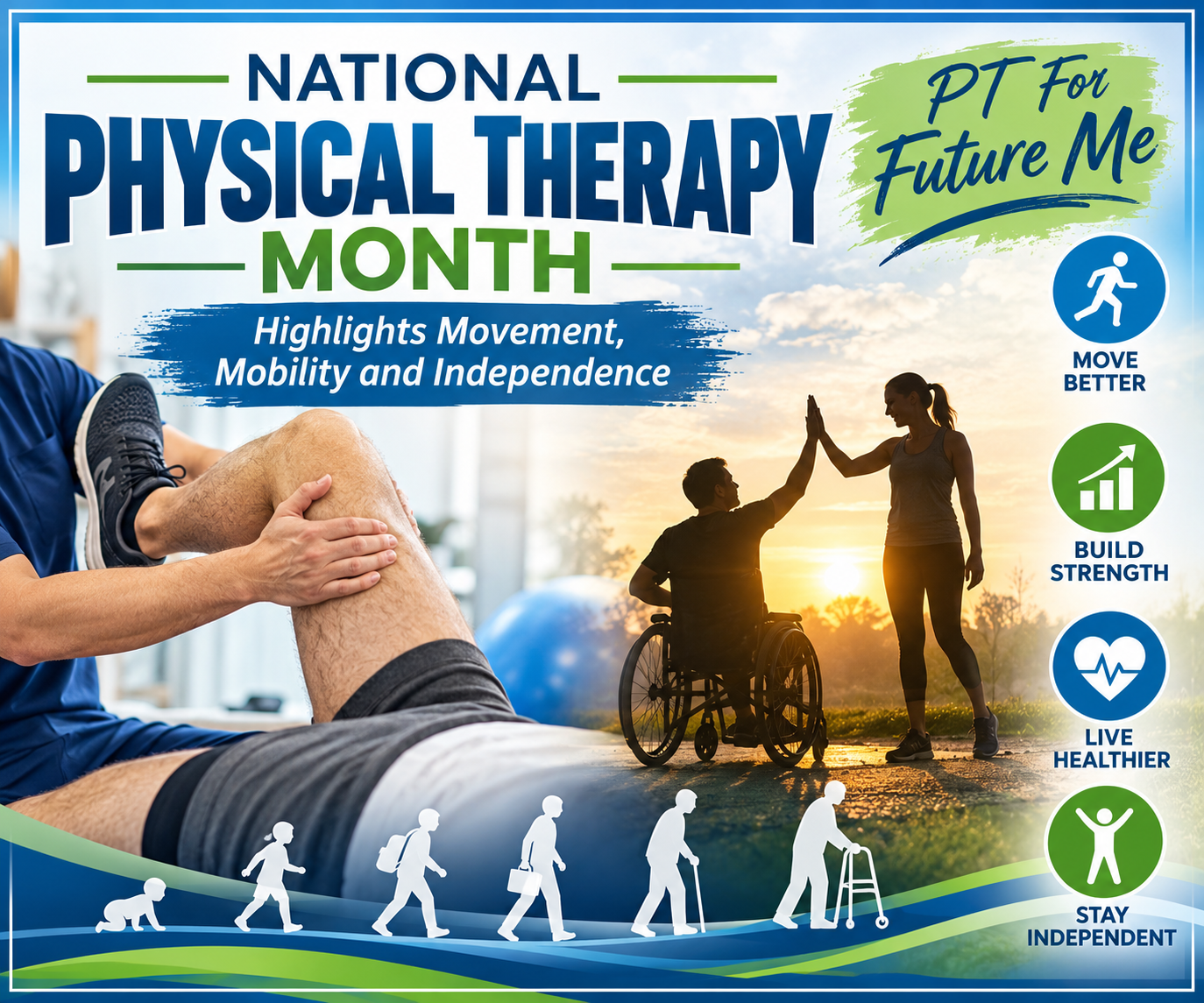
Physical and mental health are closely interconnected. Chronic illness, physical disabilities, persistent pain and major life changes can create significant emotional challenges. Likewise, prolonged psychological stress may affect sleep, cardiovascular health, immune function and daily functioning. People coping with serious medical conditions may experience grief, frustration, anxiety or depression as they adjust to changes in their independence, abilities or routines. Recognizing these emotional responses is an important component of comprehensive health care. Mental health treatment, rehabilitation, social support and appropriate physical activity can work together to improve quality of life.
Occasional stress, sadness and worry are normal parts of life. However, persistent emotional symptoms that interfere with daily activities may indicate a need for professional evaluation. Warning signs can include: Persistent sadness, hopelessness or excessive worry, changes in sleeping or eating habits, withdrawal from friends, family or enjoyable activities, difficulty concentrating or making decisions, Increased irritability or emotional distress, loss of interest in previously enjoyable activities, feelings of worthlessness or helplessness and thoughts of self-harm or suicide. Mental health conditions are treatable, and early intervention can improve outcomes. Treatment may include psychotherapy, medication, peer support, lifestyle interventions or a combination of approaches tailored to individual needs.
Although healthy lifestyle habits cannot replace professional treatment when it is needed, they can contribute to emotional resilience and overall well-being. Regular physical activity may help reduce symptoms of anxiety and depression. Exercise can take many forms, including walking, swimming, strength training, yoga and adaptive activities for people with limited mobility. Adequate sleep, balanced nutrition and meaningful social connections also support psychological health. Mindfulness practices, controlled breathing, spending time outdoors and engaging in enjoyable hobbies can provide additional opportunities to manage everyday stress. Setting personal boundaries and recognizing when responsibilities become overwhelming are equally important elements of emotional self-care. Mental wellness does not mean eliminating every stressful experience. It involves developing healthy ways to respond to challenges while recognizing when additional support is necessary.
The 2026 World Mental Health Day campaign places particular emphasis on the voices of people who have personally experienced mental health conditions. Their perspectives provide valuable insights into the challenges of obtaining care, navigating treatment and living with psychological disorders. According to the World Health Organization, meaningful participation involves more than simply inviting individuals to share their stories. It means including them in decisions about health services, community programs and policies that influence their lives. Such involvement can help create more compassionate, accessible and effective systems of mental health care.
Improving mental health requires more than increased public awareness. Communities must also address shortages of qualified professionals, financial barriers, unequal access to care and the need for coordinated services. Integrating mental health treatment into primary care, supporting community-based programs and expanding access to evidence-based services can help individuals receive assistance earlier.
Employers, schools, families and community organizations also play important roles in creating environments where mental health concerns are recognized and addressed respectfully. For individuals experiencing emotional distress or a mental health crisis, immediate assistance is available through the 988 Suicide & Crisis Lifeline in the United States. Calling or texting 988 provides access to trained crisis counselor. World Mental Health Day serves as a reminder that psychological well-being deserves attention throughout the year. Mental health challenges do not discriminate, and seeking treatment should never be viewed as a sign of weakness. By promoting understanding, encouraging compassionate conversations and improving access to professional care, communities can help reduce stigma and strengthen support for those living with mental health conditions. Perhaps the most important message of World Mental Health Day is that every person's experience matters.
Mental health is health, and everyone deserves to be heard, respected and supported.
References: World Health Organization. (2026). World Mental Health Day 2026: Lived experiences heard, real voices, real change. https://www.who.int/campaigns/world-mental-health-day/2026; World Health Organization. (2026). Mental disorders. https://www.who.int/news-room/fact-sheets/detail/mental-disorders; World Health Organization. Mental health. https://www.who.int/health-topics/mental-health; National Institute of Mental Health. Caring for your mental health. https://www.nimh.nih.gov/health/topics/caring-for-your-mental-health; Centers for Disease Control and Prevention. About mental health. https://www.cdc.gov/mental-health/about/index.html; Substance Abuse and Mental Health Services Administration. 988 Suicide & Crisis Lifeline. https://988lifeline.org


New Paragraph