September Marks Spinal Cord Injury Awareness Month
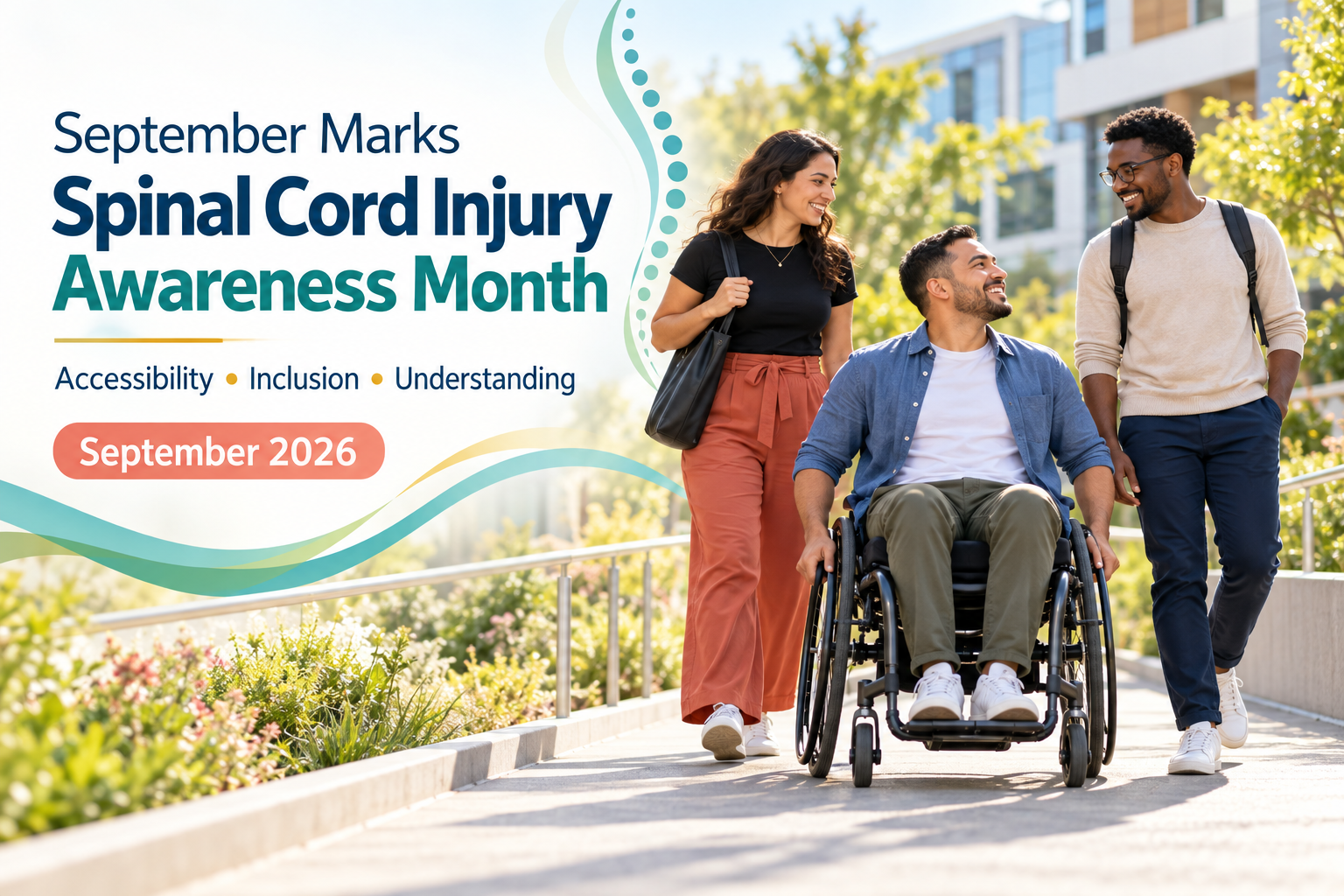
September is recognized as Spinal Cord Injury Awareness Month, a time dedicated to increasing public understanding of spinal cord injuries, supporting people living with them and highlighting the continuing need for accessible health care, rehabilitation, research and community inclusion.
The observance has been recognized by the U.S. Senate in multiple years. In 2025, the Senate again designated September as National Spinal Cord Injury Awareness Month, citing the need for continued research, improved treatments and greater awareness of the challenges faced by people living with spinal cord injuries. United Spinal Association also recognizes September as Spinal Cord Injury Awareness Month in its 2026 disability observances.
Spinal cord injuries, commonly called SCIs, occur when damage to the spinal cord interferes with communication between the brain and the body. Injuries can result from trauma, such as vehicle crashes or falls, but spinal cord damage can also be caused by disease, tumors, infection, loss of oxygen and other medical conditions. The effects can vary dramatically depending on the location and severity of the injury. An injury affecting the lower portion of the body is generally described as paraplegia, while an injury affecting the arms as well as the lower body is called tetraplegia, formerly commonly called quadriplegia. An injury may also be classified as complete or incomplete depending on how much motor or sensory function remains below the level of injury.
More than 18,000 new traumatic spinal cord injuries occur in the United States each year, according to the National Spinal Cord Injury Statistical Center at the University of Alabama at Birmingham. That estimate does not include people who die at the location where the injury occurs. An estimated 257,000 to 388,000 people were living with traumatic spinal cord injuries in the United States in 2023, according to the center. Motor vehicle crashes account for about 38% of traumatic spinal cord injuries recorded since 2015, followed by falls at approximately 32%. Acts of violence account for about 15%, while sports-related injuries represent approximately 8%. Although spinal cord injury is often associated with younger people injured in crashes or sports accidents, it affects people across the lifespan. The average age at the time of injury has risen substantially, from about 29 years in the 1970s to approximately 43 years among people injured since 2015.
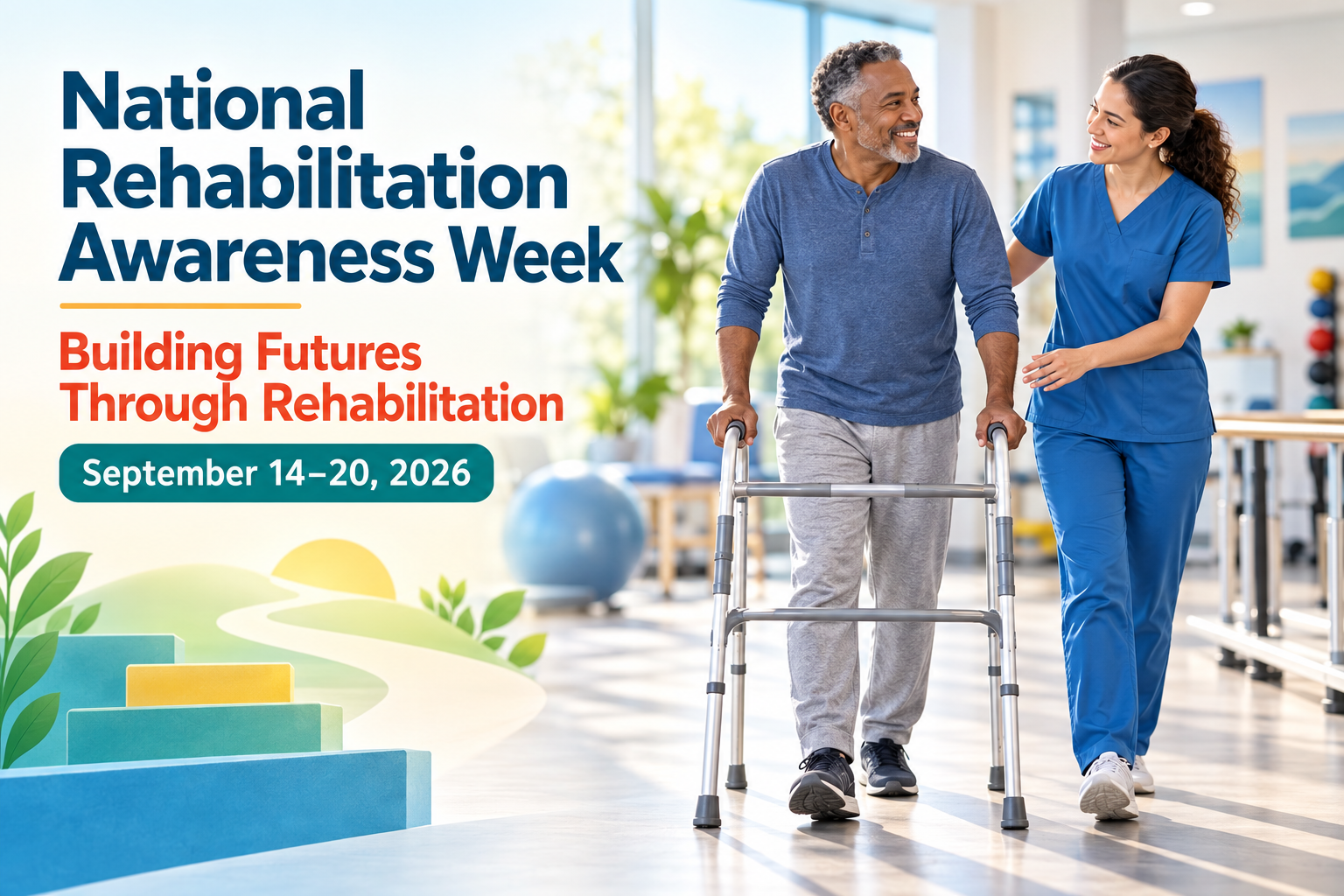
Loss of the ability to walk is one of the most visible effects of some spinal cord injuries, but SCI can affect nearly every body system. Depending on the location and severity of the injury, people may experience changes in sensation, muscle control, bladder and bowel function, sexual function, circulation, breathing, temperature regulation and blood pressure. Secondary medical conditions can include urinary tract infections, pressure injuries, chronic pain, blood clots, respiratory complications and osteoporosis. Autonomic dysreflexia, a potentially dangerous sudden rise in blood pressure, can occur particularly in people with injuries at or above the T6 level. For many people, rehabilitation becomes an important part of adjusting to life following an injury. Physical therapy, occupational therapy, assistive technology and mobility equipment can help people regain or maximize independence. Recovery also varies widely. Some people regain significant movement or sensation after an incomplete spinal cord injury, while others experience permanent paralysis. Improvements may continue long after an initial hospitalization or rehabilitation stay, and the course of recovery is different for every individual.
Spinal Cord Injury Awareness Month also brings attention to challenges that extend beyond medical care. Accessible housing, transportation, workplaces, public buildings and recreational spaces can significantly affect whether people with disabilities can participate independently in their communities. Wheelchairs and other mobility devices are tools of independence, but physical barriers such as stairs, narrow doorways, inaccessible bathrooms and inadequate transportation can restrict opportunities that would otherwise be available. Employment is another important issue. Advances in technology and remote work have expanded opportunities for some people with mobility disabilities, but inaccessible workplaces, transportation problems and misconceptions about disability can remain obstacles. Awareness means recognizing that disability does not automatically mean dependence. People with spinal cord injuries work, raise families, travel, participate in sports, volunteer, pursue education and remain active in their communities.
Scientists continue to investigate ways to limit damage immediately following a spinal cord injury and improve function afterward. Research includes nerve regeneration, neuroprotection, electrical stimulation, rehabilitation technologies, brain-computer interfaces and other approaches aimed at restoring movement or improving independence. Federal lawmakers, disability organizations and research institutions have repeatedly emphasized the importance of funding clinical research and developing new treatments for spinal cord injury. The 2025 Senate resolution recognizing SCI Awareness Month specifically called for continued research and clinical trials for promising therapies. Even when a cure is not available, advances in rehabilitation, assistive technology and medical management can improve health, function and quality of life.
Spinal Cord Injury Awareness Month is ultimately about more than statistics. It provides an opportunity to learn about an injury that can occur suddenly and permanently change the way a person interacts with the world. It also highlights the importance of prevention, emergency treatment, rehabilitation, accessible communities and continued medical research. Just as important is understanding that a spinal cord injury is only one part of a person's life. A wheelchair, walker or other mobility device may make a disability visible, but it does not define a person's abilities, ambitions or value.
September offers an opportunity to replace assumptions with knowledge — and awareness with greater accessibility, inclusion and understanding.
References
National Spinal Cord Injury Statistical Center, University of Alabama at Birmingham. “Frequently Asked Questions.” Includes current U.S. estimates for spinal cord injury incidence, prevalence, causes, demographics and complications. United Spinal Association. “United Spinal Related Observances.” Lists September as Spinal Cord Injury Awareness Month for 2026. Christopher & Dana Reeve Foundation. “Spinal Cord Injury.” Information on causes, types and effects of spinal cord injury. Christopher & Dana Reeve Foundation. “Secondary Conditions.” Information about medical complications associated with paralysis and spinal cord injury. U.S. Senate. Senate Resolution 440, 119th Congress, designating September 2025 as National Spinal Cord Injury Awareness Month and supporting research, clinical trials and improved quality of life for people living with spinal cord injuries.






New Paragraph