August 12, 2026
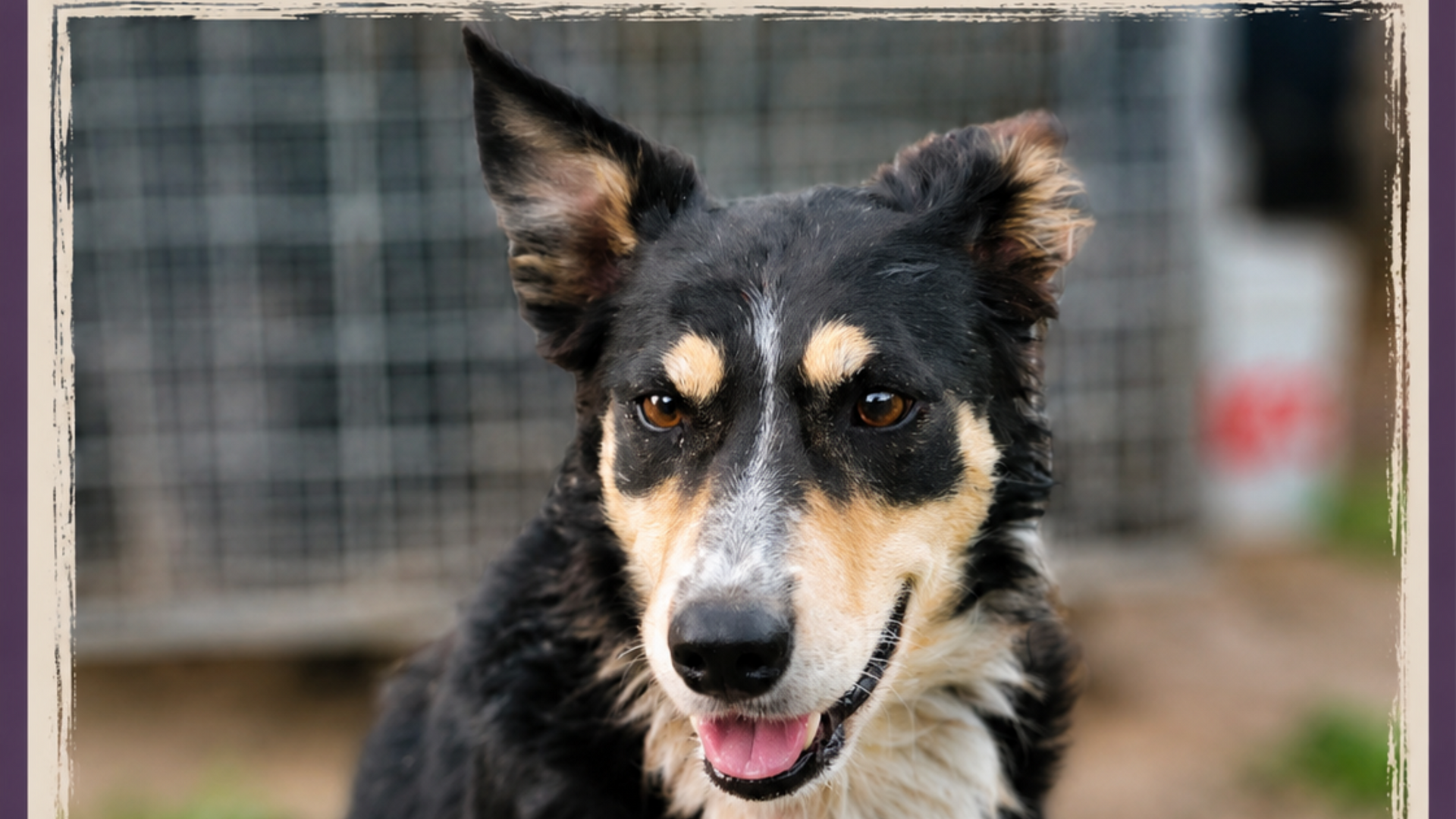
By Julia Welch I was so excited to write about this subject! I have five rescue animals, three dogs and two cats. While I’m recovering from a spinal cord injury, they have been saving my grace. When I joined The 34 Project for my recovery, I discovered that there are two dogs that are a mainstay at the gym, Daisy and Dexter. They bring me so much joy every time I go to the gym! Many other dogs visit; some are service dogs, and there is even a skunk that visits! Included at the bottom of this article are numerous pictures of the animals we have the pleasure of interacting with. I hope you enjoy them! There's a reason many dog owners say their four-legged companions are members of the family. Whether it's the enthusiastic tail wag when you walk or roll through the door, the comforting presence during difficult times, or the joyful excitement over something as simple as a walk around the block, dogs have a remarkable ability to brighten our lives. Science is beginning to explain why. Researchers have discovered that our relationships with dogs involve complex interactions between the brain, hormones, emotions, and behavior. From the release of “feel-good” chemicals to the possibility that mirror neuron systems help us connect emotionally, our canine companions may improve our mental well-being in ways we’re only beginning to understand. The human-dog bond is more than emotional. Humans have lived alongside dogs for thousands of years. During that time, dogs evolved to understand human facial expressions, body language, tone of voice, and even our emotions. Studies show that dogs can recognize when we're happy, stressed, frightened, or sad. Many owners have experienced a dog quietly resting beside them during a difficult day or responding excitedly when they celebrate good news. This emotional connection goes both ways. Researchers describe this as emotional contagion, the tendency for emotions to spread between individuals. Just as people often smile when others smile, dogs and humans frequently influence each other's emotional states. One possible explanation for this emotional connection involves mirror neurons. Mirror neurons are specialized brain cells first discovered in monkeys during the 1990s. These neurons become active not only when an individual performs an action but also when they observe someone else performing the same action. Scientists believe mirror neuron systems may contribute to empathy, learning through observation, and understanding the emotions of others. Although researchers continue to study exactly how mirror neurons function in humans, many neuroscientists believe they may play a role in why we instinctively respond to another person's smile, or even to a dog's joyful behavior. When your dog greets you with excitement, playfulness, and affection, your brain may naturally mirror some of that positive emotional state, helping lift your own mood. Mirror neurons may be only part of the story. One of the most powerful biological responses occurs through the release of oxytocin, often called the "love hormone" or "bonding hormone." Research has shown that when people make eye contact with or pet their dogs, oxytocin levels increase in both humans and dogs. Oxytocin helps promote feelings of trust, strengthen social bonds, reduce stress, increase feelings of safety, and encourage relaxation. This same hormone plays an important role in parent-child bonding, close friendships, and healthy romantic relationships. In many ways, interacting with a beloved dog activates similar biological pathways. Life is full of deadlines, responsibilities, and unexpected challenges. Dogs often provide a welcome antidote. Numerous studies have found that spending time with dogs can lower levels of cortisol, the body's primary stress hormone. Even brief interactions, such as petting a friendly dog for several minutes, have been associated with reduced stress and improved mood. Many hospitals, nursing homes, colleges, and rehabilitation centers now incorporate therapy dogs because of these calming effects. Dogs live almost entirely in the present moment. They aren't worried about tomorrow's meeting or yesterday's mistakes. They celebrate simple pleasures like a favorite toy, a walk around the neighborhood, a game of fetch, a sunny patch of grass, or spending time with their favorite person. Watching a dog experience pure joy over everyday moments often reminds us to slow down and appreciate life's simple pleasures. The benefits aren't limited to emotional health. Dog ownership has been associated with several healthy lifestyle behaviors, including Increased physical activity through daily walks, more time spent outdoors, greater social interaction with neighbors and other pet owners, more consistent daily routines, and reduced feelings of loneliness. These habits contribute to both physical and mental wellness. Perhaps one of the greatest gifts dogs offer is unconditional acceptance. Dogs don't care about your job title, appearance, income, or social status; they're simply happy you're home. For individuals coping with grief, anxiety, depression, chronic illness, disability, or major life transitions, that unwavering companionship can provide tremendous emotional comfort. While dogs aren't a substitute for professional mental health care when it's needed, they often become an important part of a person's overall support system. Dog Month is the perfect opportunity to recognize everything our canine companions do for us. You can celebrate by taking an extra walk together, trying a new enrichment activity, scheduling a wellness exam with your veterinarian, teaching a new trick, donating to a local animal shelter, volunteering with a rescue organization, or simply spending quality time together. The greatest gift your dog wants isn't an expensive toy; it's your attention. Our connection with dogs is rooted in far more than companionship. Through emotional bonding, stress reduction, oxytocin release, and the remarkable ways humans and dogs communicate, our canine friends help improve both our mental and physical well-being. Scientists continue to explore exactly how mirror neuron systems contribute to this relationship, but one thing is already clear: sharing life with a dog can enrich our lives in countless ways. So the next time your dog greets you with a wagging tail, joyful eyes, and unconditional enthusiasm, remember, you may both be experiencing a little neuroscience in action. References Berns, G. S. (2013). How Dogs Love Us: A Neuroscientist and His Adopted Dog Decode the Canine Brain. New Harvest. Centers for Disease Control and Prevention. (2024). About Pets & People's Health. Handlin, L., Hydbring-Sandberg, E., Nilsson, A., Ejdebäck, M., Jansson, A., & Uvnäs-Moberg, K. (2011). Short-term interaction between dogs and their owners: Effects on oxytocin, cortisol, insulin, and heart rate. Anthrozoös, 24(3), 301–315. National Institutes of Health. (2018). The Power of Pets. Rizzolatti, G., & Craighero, L. (2004). The mirror-neuron system. Annual Review of Neuroscience, 27, 169–192. World Small Animal Veterinary Association. (2020). The Human-Animal Bond Guidelines.